


Chef Clothing That Holds Up to Service: Fabric, Fit, Care and Embroidery
Chef clothing covers the full kit a professional kitchen and service team wears: chef jackets, chef pants, aprons, kitchen shoes, hats and catering wear. The right choice comes down to four things: fabric, fit, care and personalization. This guide answers the questions chefs and hospitality buyers ask most before they buy, so you can pick kit that holds up to long shifts and looks sharp on the floor. ChefsCotton supplies professional ranges from Le Nouveau Chef and LaFont across Europe, with free EU shipping on orders from 250 euro.
What this guide covers
- What chef clothing do you actually need?
- How do you choose a chef jacket?
- Which fabric is best for a chef jacket?
- Short or long sleeves?
- How should a chef jacket fit?
- How do you wash a chef jacket?
- Chef pants, aprons, shoes and hats
- How does logo and name embroidery work?
- Buying chef clothing for a team
- Frequently Asked Questions About Chef Clothing
What chef clothing do you actually need?
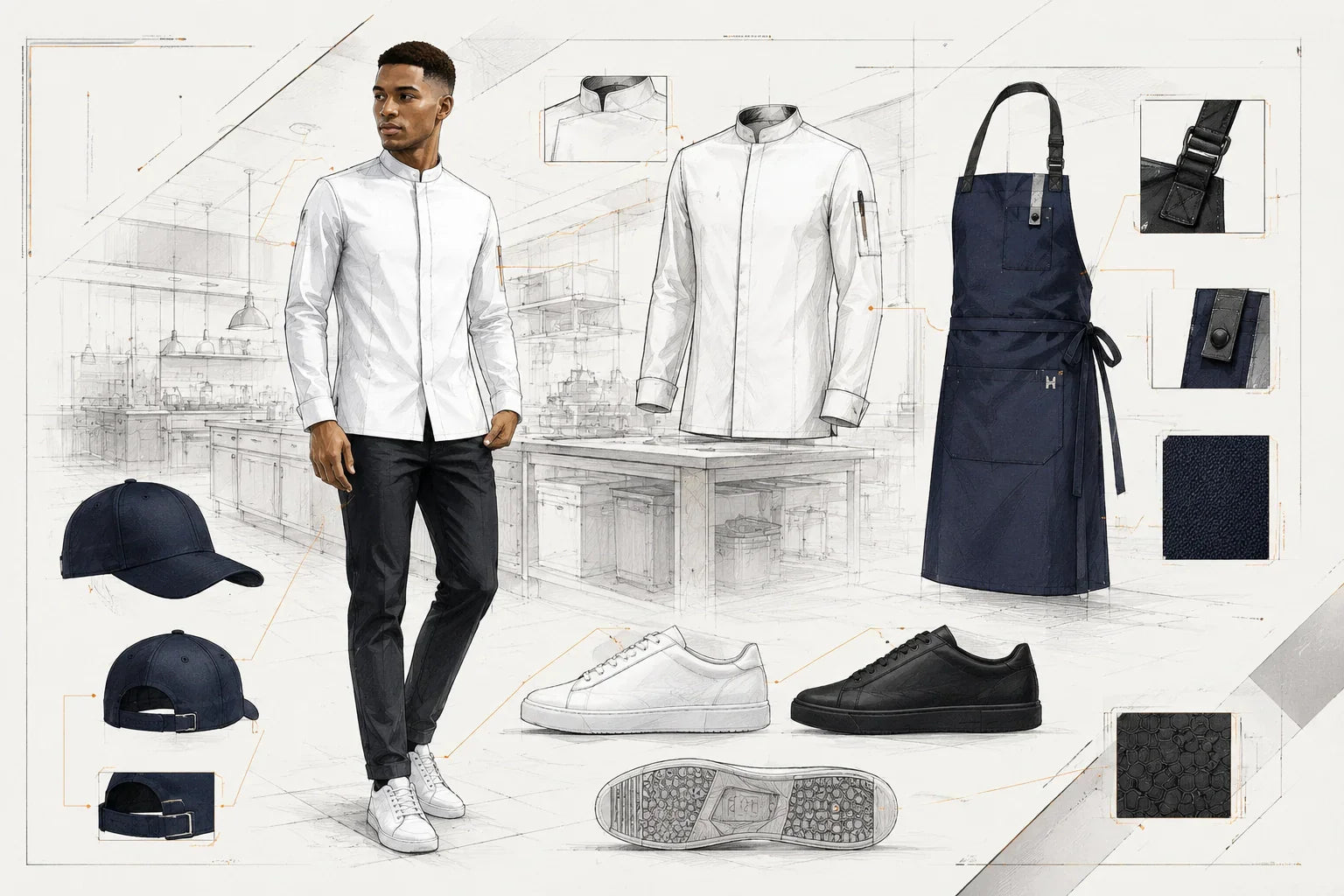
A working kitchen uniform has a clear job: protect you from heat and spills, keep you comfortable through a long shift, and present a professional look to guests. Most chefs build their kit from a few core pieces and add to it over time.
| Item | Main job | What to look for |
|---|---|---|
| Chef jacket | Protection, professional look | Fabric weight, sleeve length, fit, breathability |
| Chef pants | Comfort and movement | Elastic or drawstring waist, stretch, easy care |
| Apron | Stain protection | Bib or waist style, fabric, strap length |
| Kitchen shoes | Grip and support | Slip resistance, closed toe, cushioning |
| Hat or cap | Hygiene and style | Skull cap, beanie or classic toque |
You can browse the full range in Professional Chef Clothing & Uniforms. The two core brands are Le Nouveau Chef for chef and catering wear and LaFont for professional hospitality clothing.
How do you choose a chef jacket?
Pick a chef jacket on four points: fabric, sleeve length, fit and closure. Fabric sets how breathable and durable it is. Sleeve length is a safety and comfort call. Fit decides how it moves with you. The closure (press studs or knot buttons) affects how fast you can change and how it washes. Get those four right and the rest is colour and detail.
Which fabric is best for a chef jacket?
The best fabric depends on your station. Cotton breathes well and feels soft, so it suits hot work at the stove, though it creases and needs more ironing. Poly-cotton resists shrinking and dries faster, which makes it easy to maintain for daily service. Performance fabrics with stretch and moisture management suit chefs who move fast and sweat hard. Heavier weights last longer; lighter weights keep you cooler.
| Fabric | Strengths | Trade-off | Best for |
|---|---|---|---|
| Cotton | Breathable, soft, natural feel | Creases, needs ironing | Hot stations at the stove |
| Poly-cotton | Easy care, fast drying, holds shape | Less breathable than pure cotton | Busy daily service |
| Performance / stretch | Moisture wicking, freedom of movement | Higher price point | Fast-paced kitchens |
Short or long sleeves?
Long sleeves protect your forearms from burns, steam and oil splashes, which is why many head chefs keep them on at the stove. Short sleeves run cooler and give more freedom, so they suit pastry, prep and warm kitchens where burn risk is lower. Many chefs keep both and switch by station or season. You can compare cuts in Premium Chef Jackets and Chef Jackets with Short Sleeves.
How should a chef jacket fit?
A chef jacket should sit close enough to look tailored but leave room to reach, bend and carry without pulling. Check the shoulder seams land on your shoulder, the cuffs clear your wrists, and the body lets you cross your arms freely. Le Nouveau Chef offers regular and tailored cuts, plus dedicated women's models, in sizes from XS (1) to 4XL. Always read the size chart on the product page before you order, since cut varies by model.
How do you wash a chef jacket?
Most professional chef jackets wash at 60 degrees Celsius, which lifts grease and meets kitchen hygiene needs. Follow the care label on your model for the exact temperature and drying advice, since fabric and finish change the rules. A few habits keep a jacket looking new for longer:
- Wash before first use.
- Treat oil and sauce stains before they set.
- Close press studs and fasten buttons before the wash to protect them.
- Avoid overloading the drum so the fabric rinses clean.
- Iron cotton models while slightly damp for a crisp finish.
For embroidered jackets, turn the garment inside out before washing to protect the stitching.
Chef pants, aprons, shoes and hats
A complete uniform is more than the jacket. Here is how to choose the rest of your kit.
Chef pants
Comfort and movement matter most. Look for an elastic or drawstring waist, a roomy cut and easy-care fabric. Stretch options help on long shifts. See Chef Pants for men's and women's cuts in classic and modern styles.
Aprons
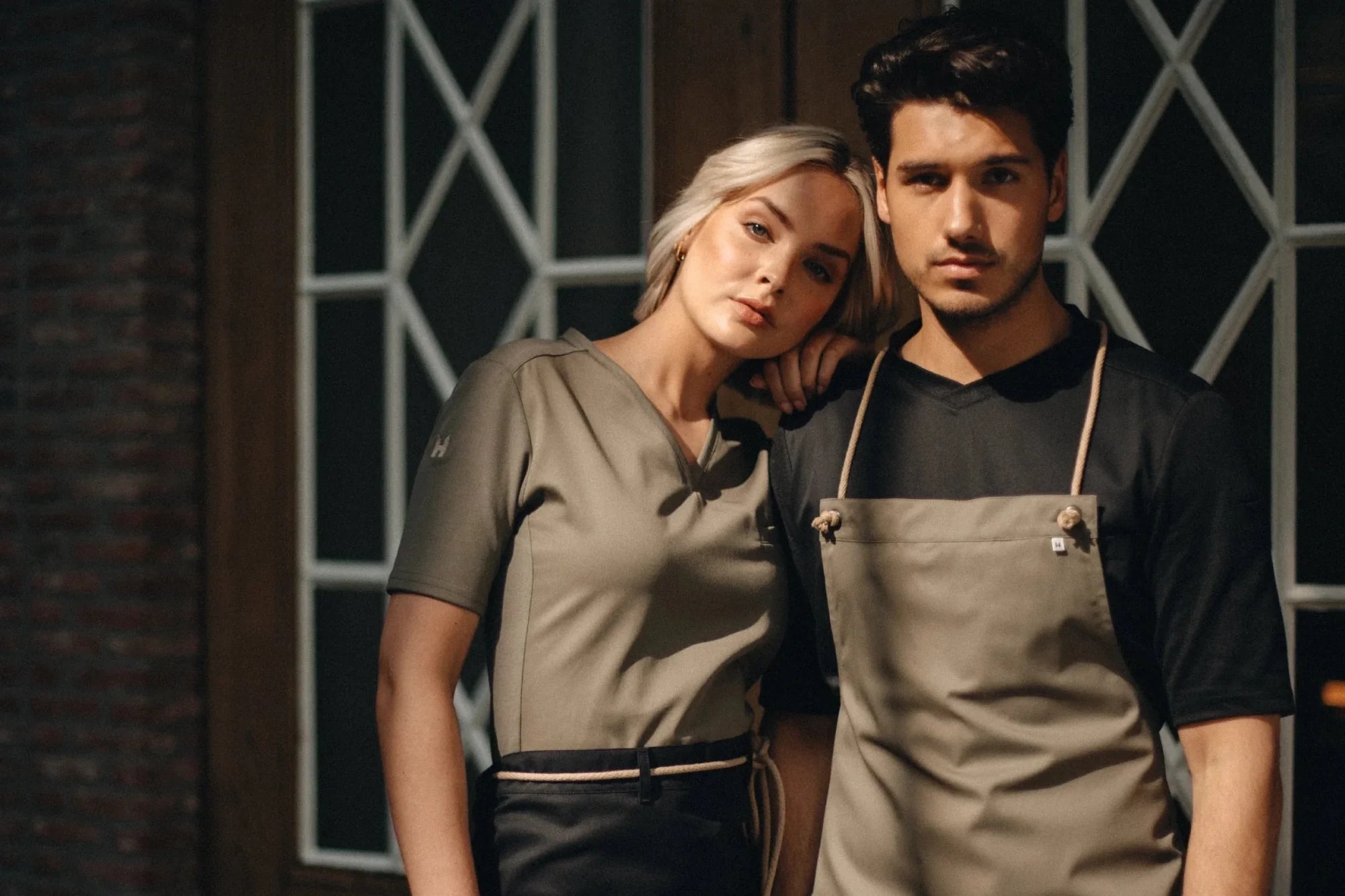
Bib aprons protect your chest and lap, which suits prep and work at the stove. Waist aprons give more freedom and suit service and pastry. Pick the strap style and fabric to match your station. Browse Aprons and Bib Aprons for the full choice.
Kitchen shoes
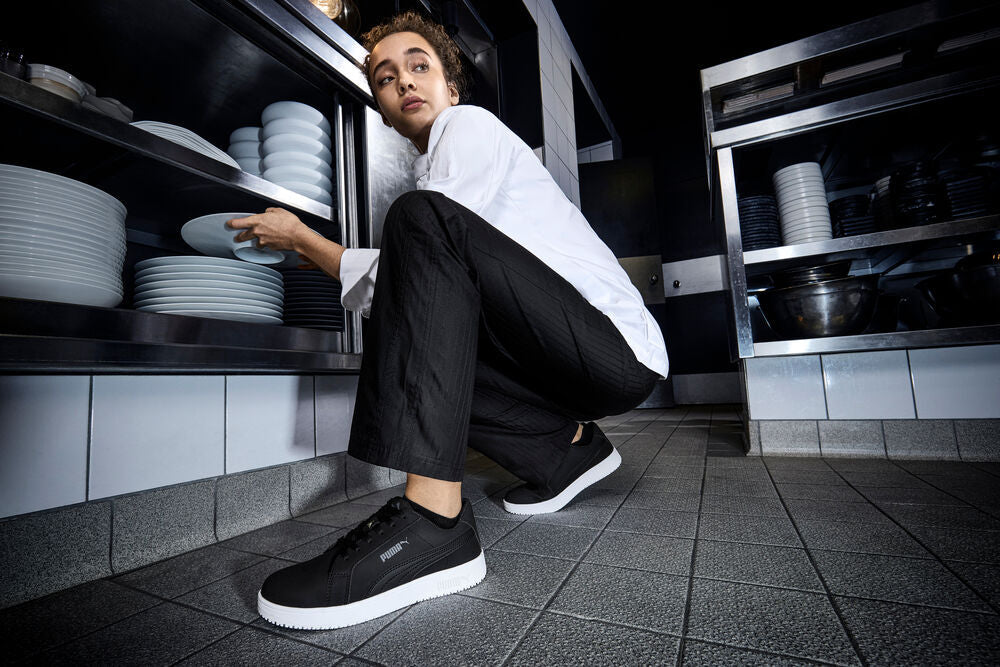
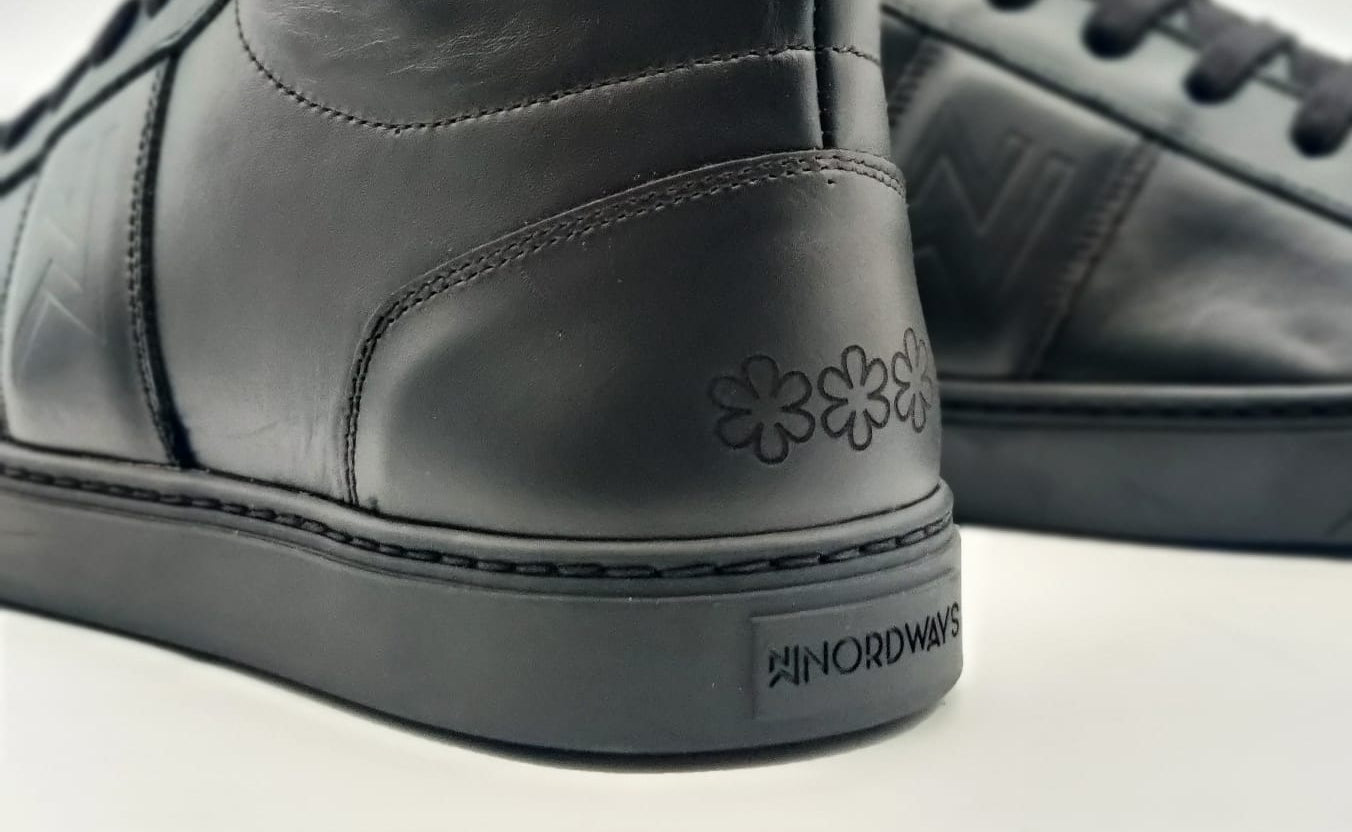
Slip resistance is the first priority on a wet kitchen floor. Look for a certified slip-resistant sole, a closed toe and cushioning for hours on your feet. See Work Shoes For Chefs and the wider Kitchen & Catering Shoes range.
Hats and caps
Headwear keeps hair contained for hygiene and finishes the uniform. Choose a skull cap, beanie or classic toque to match your house style. See Chef Hats & Caps.
How does logo and name embroidery work?
Embroidery adds a name, restaurant logo or both to your chef jacket, apron or catering wear. You upload your logo or type the name, choose the placement, and the stitching is applied before the order ships. Popular placements are the chest, collar and sleeve. Embroidered kit gives a team a consistent, professional look and makes garments easy to identify in a shared laundry.
ChefsCotton runs an in-house embroidery service across the range, including Michelin Guide embroidery on selected jackets. See the full options and lead times on the Embroidery Service page. Wash embroidered garments inside out to protect the thread.
Buying chef clothing for a team
Outfitting a brigade or a hotel kitchen works best with a consistent look and a simple ordering system. Pick one or two jacket models, a matching pants cut and a house colour, then add team embroidery so every garment matches. Buying in volume brings the price per piece down, and free EU shipping applies to orders from 250 euro. For larger orders or a tailored quote, our team can help you build a full uniform programme across kitchen and front of house.
Frequently Asked Questions About Chef Clothing
- What is the best fabric for chef clothing?
- Cotton breathes best for hot stations, poly-cotton is the easiest to care for in daily service, and performance fabrics suit fast-paced kitchens. Match the fabric to your station and how often you wash.
- Why are most chef jackets white?
- White reflects heat, signals cleanliness and washes at high temperatures without fading. Darker colours like black, blue and grey are now common for service-facing roles and modern kitchen styling.
- At what temperature do you wash a chef jacket?
- Most professional jackets wash at 60 degrees Celsius for hygiene and grease removal. Always follow the care label on your specific model, as fabric and finish can change the recommended temperature.
- Should a chef jacket have long or short sleeves?
- Long sleeves protect against burns and steam at the stove. Short sleeves run cooler for prep, pastry and warm kitchens. Many chefs keep both and switch by station.
- Can I add my logo or name to chef clothing?
- Yes. ChefsCotton offers in-house embroidery for names and logos on jackets, aprons and catering wear, with Michelin Guide embroidery available on selected jackets. See the Embroidery Service page for placements and lead times.
- How do I choose the right size?
- Check the size chart on each product page, since cut varies by model. Le Nouveau Chef ranges run from XS (1) to 4XL, with regular, tailored and dedicated women's fits.
- What shoes should chefs wear?
- Choose slip-resistant, closed-toe shoes with cushioning for long shifts. A certified slip-resistant sole is the first priority on wet kitchen floors.
- Do you offer free shipping in Europe?
- Yes. Free EU shipping applies to orders from 250 euro, with volume pricing for teams and larger uniform orders.
Ready to put your kit together? Start with Premium Chef Jackets, add Chef Pants and Aprons, then finish with embroidery so the whole team matches.